a subsurface real estate complex

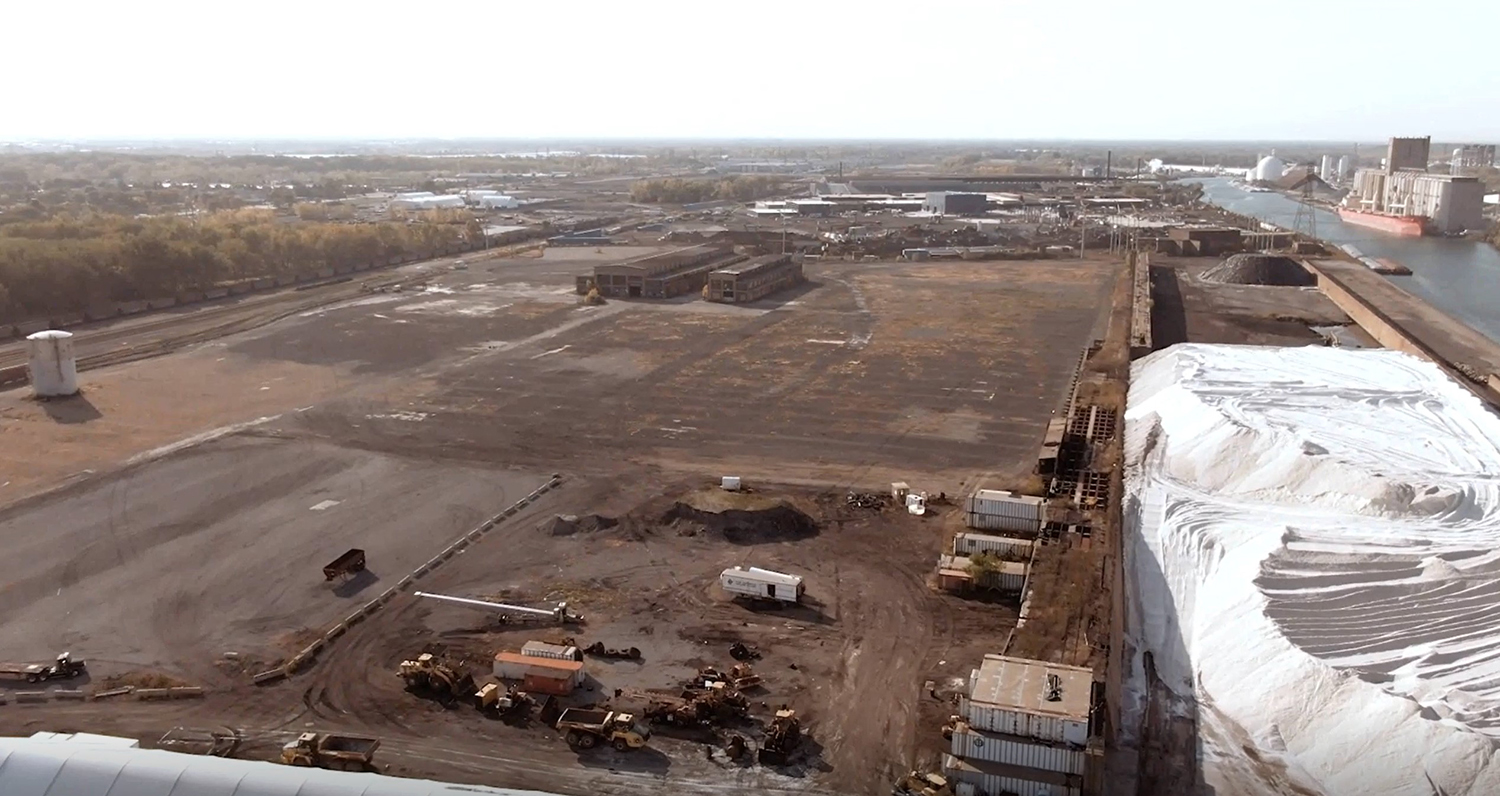
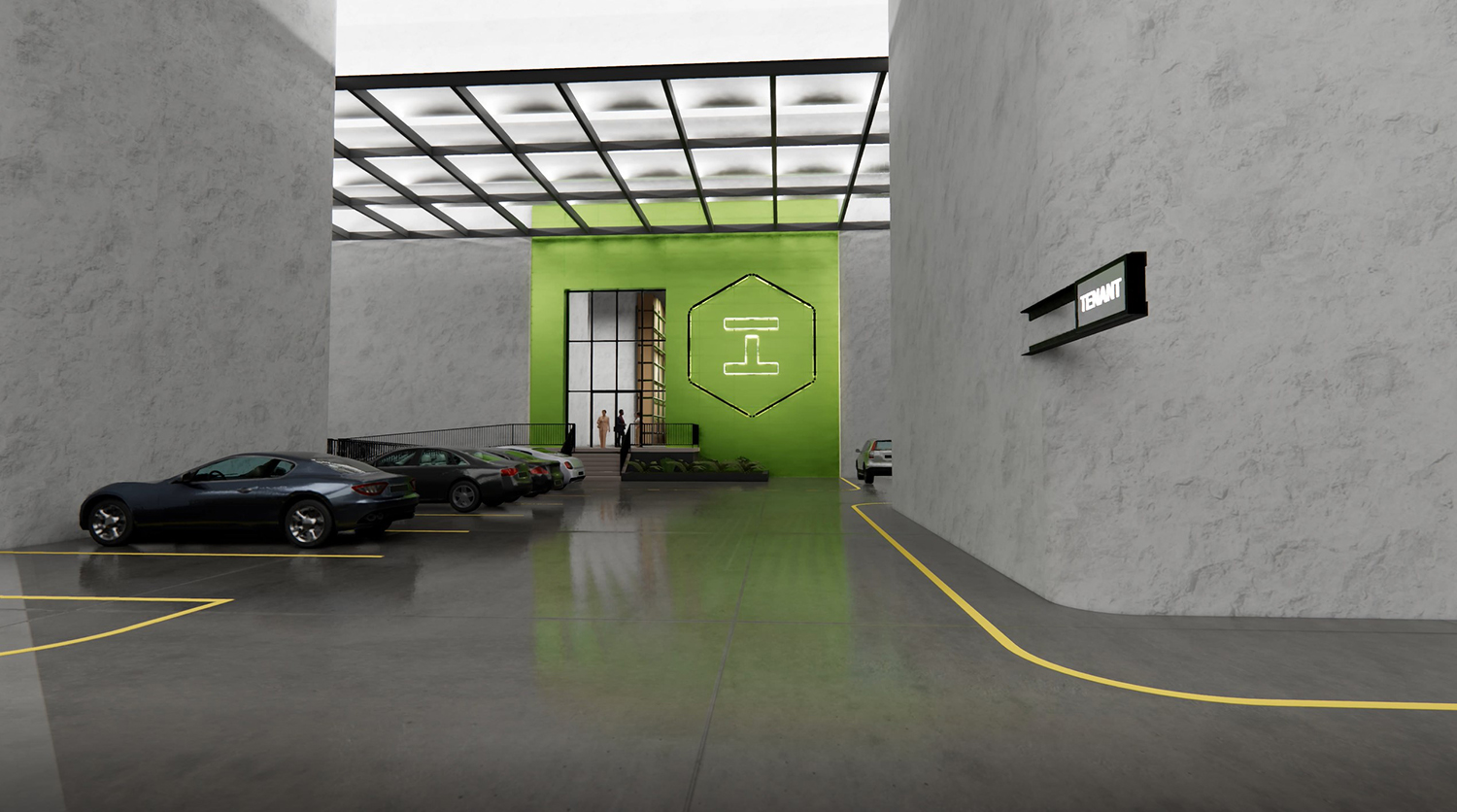
Renderings have been revealed for The Invert Chicago, a subsurface business development located at 11118 S Buffalo Avenue in East Side. Located east of the Calumet River, the site spans 140 acres, encompassing land vacated decades ago by the local steel industry. The Invert Chicago, using the same name, is the developer behind the vision.
The project site currently functions as a marine, rail, and truck terminal. For most of the 20th century it had been used by the steel industry which left the property contaminated beyond most uses. Remediation of the site to allow for surface development would be cost prohibitive.
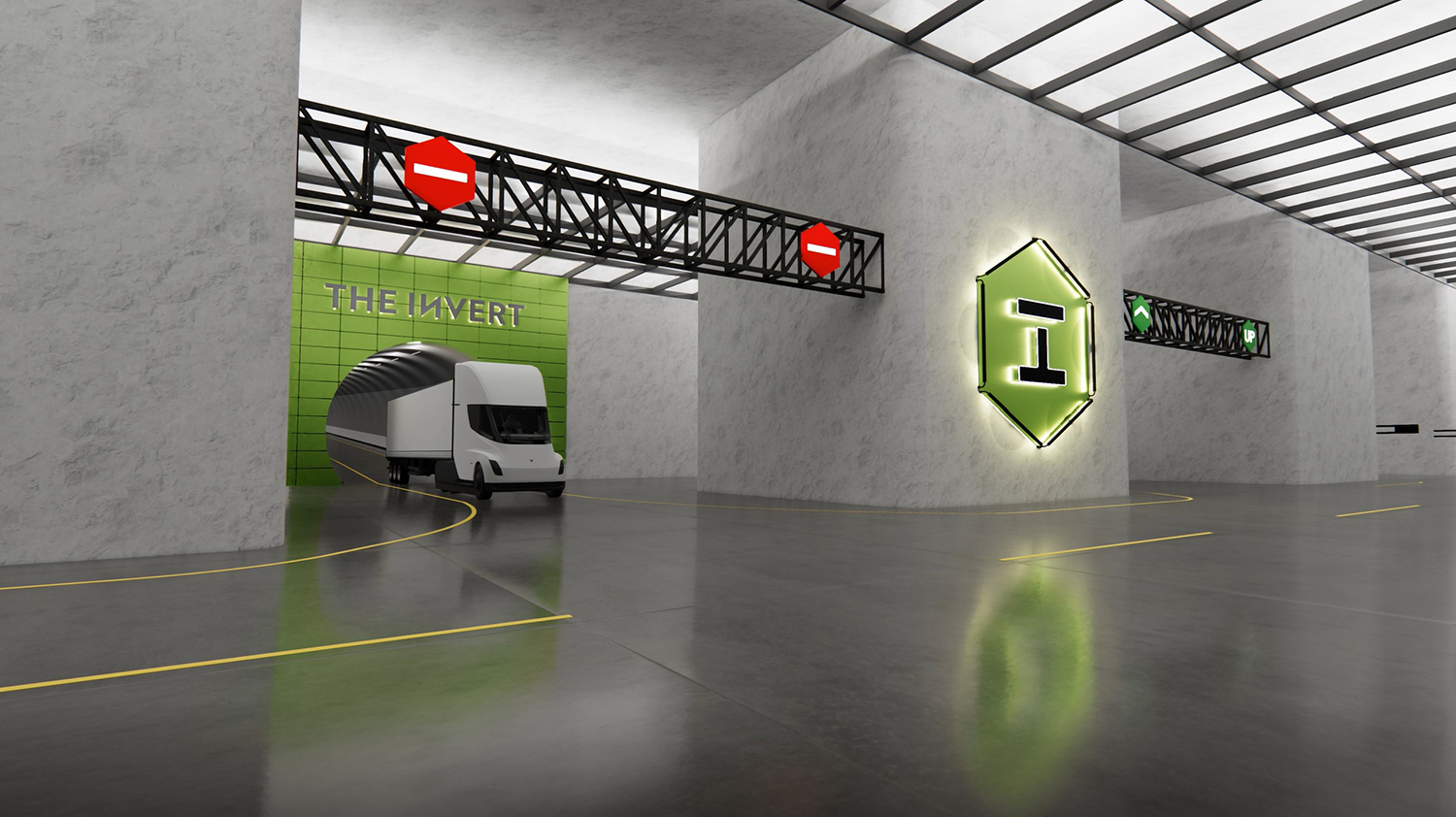
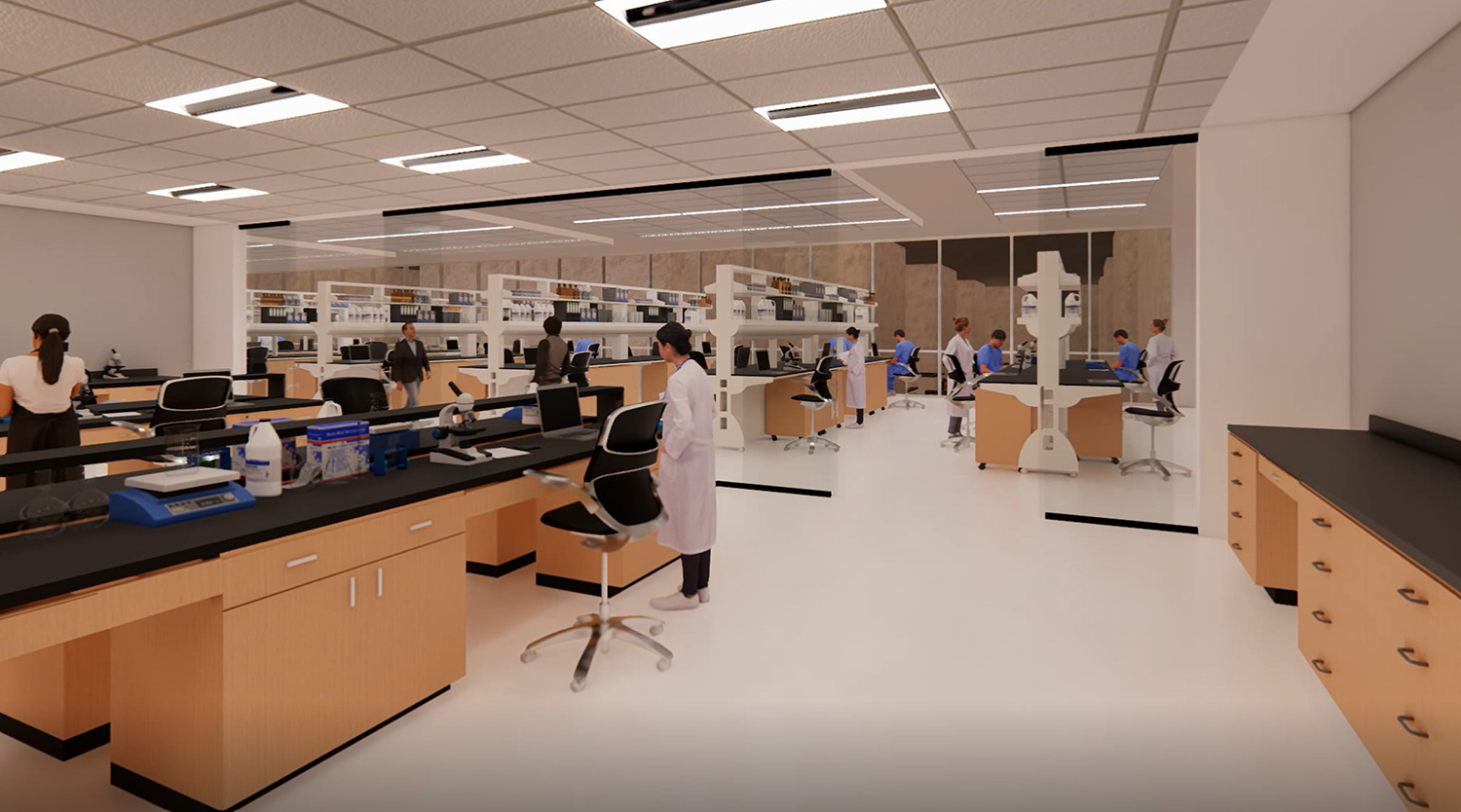
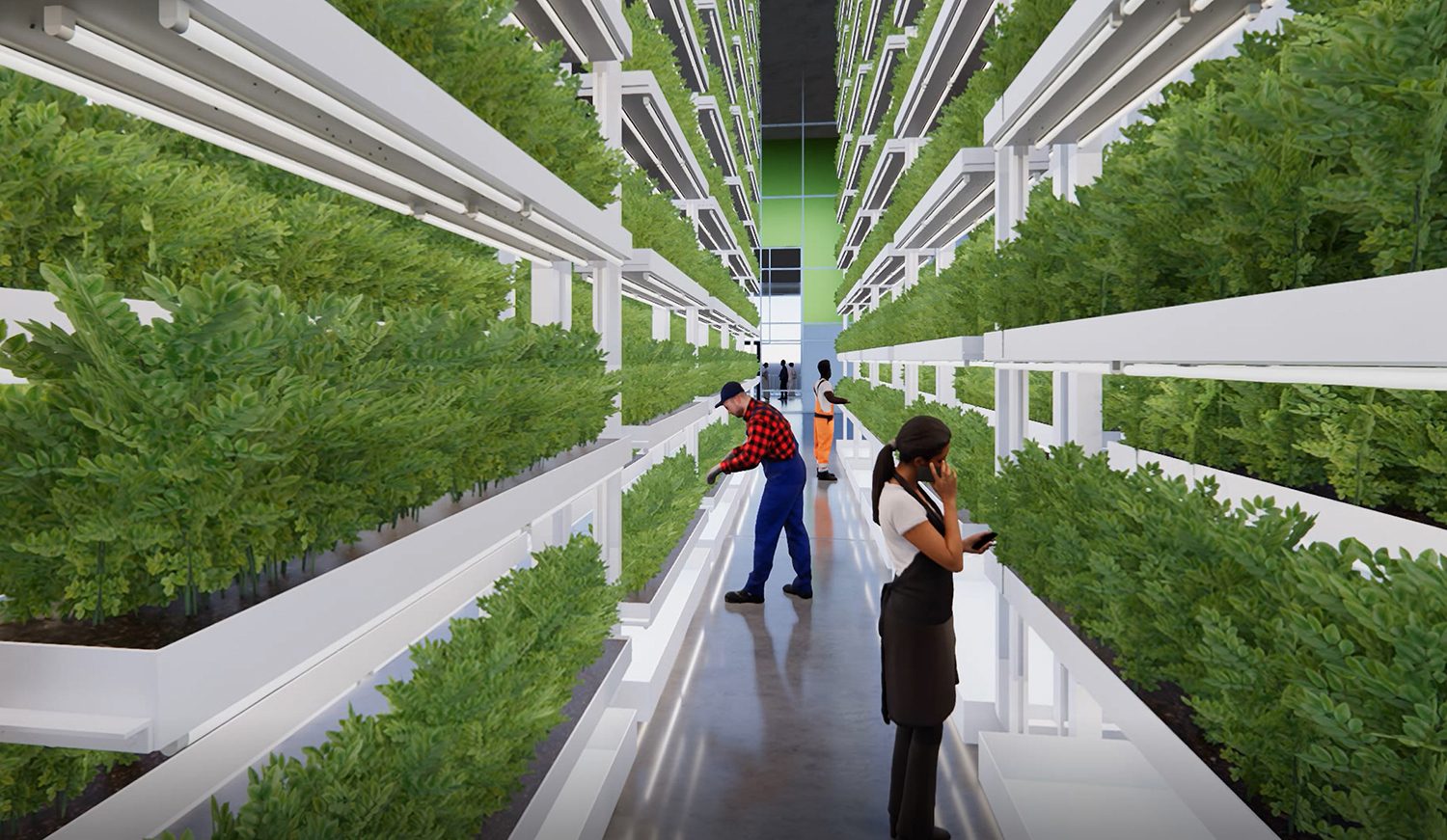
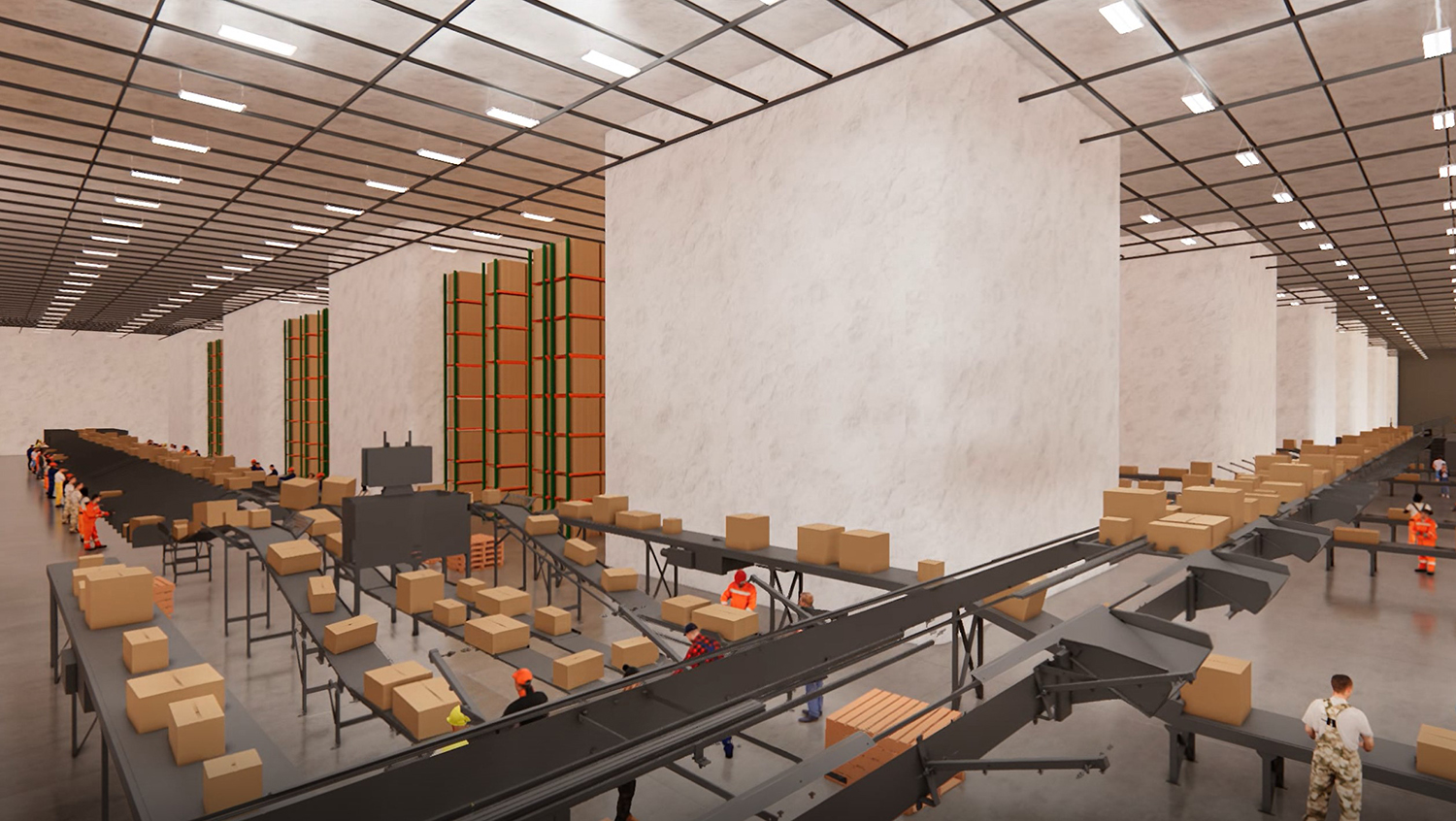
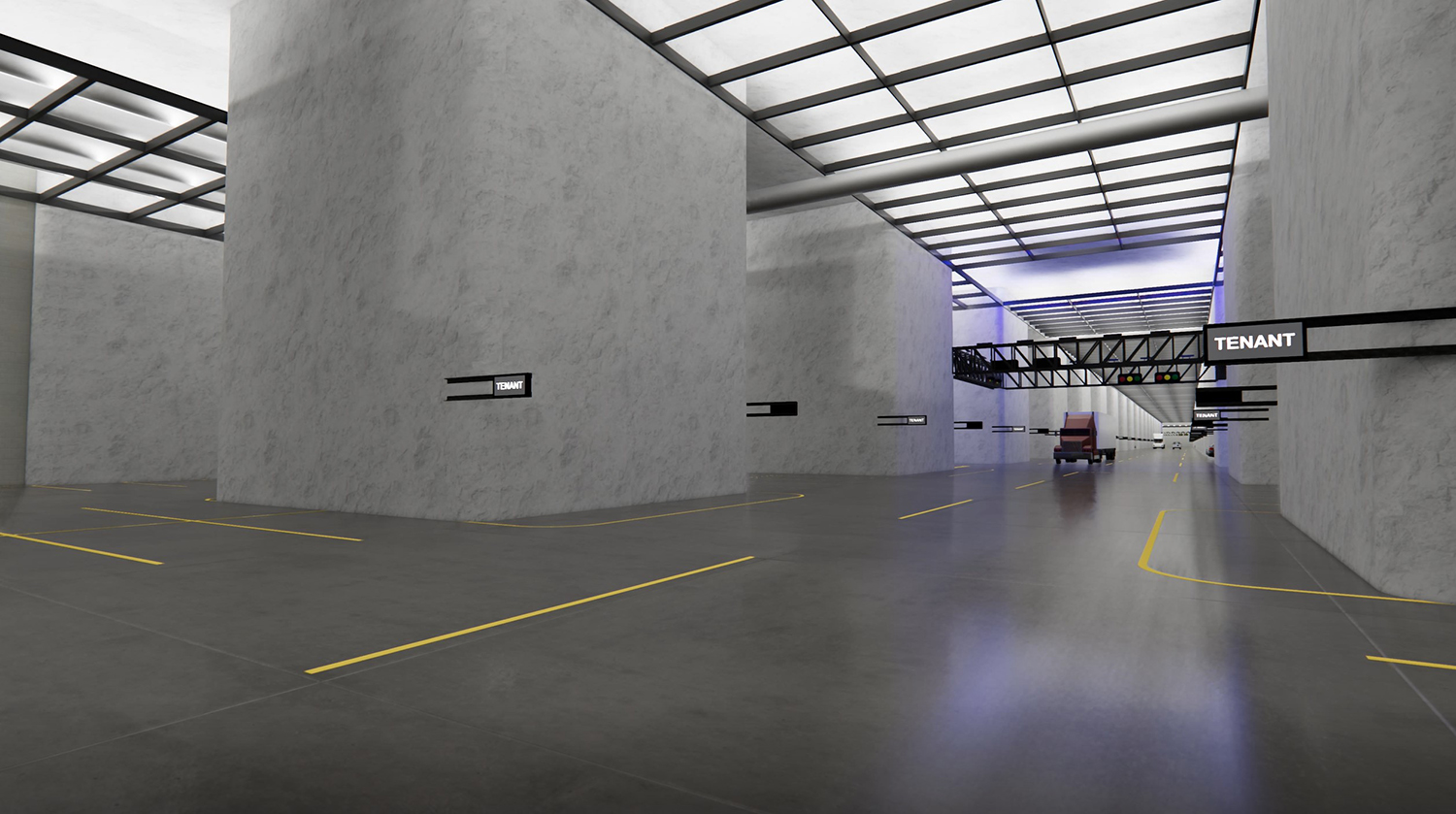
Over the course of 13 years, the six million-square-foot proposal is poised to reach 350 feet below the surface, replacing the currently underutilized parcel. A constant 60 degree temperature and controlled subsurface humidity make the subterranean space ideal for vertical farming, cloud computing, laboratory sciences, light manufacturing, logistics and warehousing, and specialty storage among others.
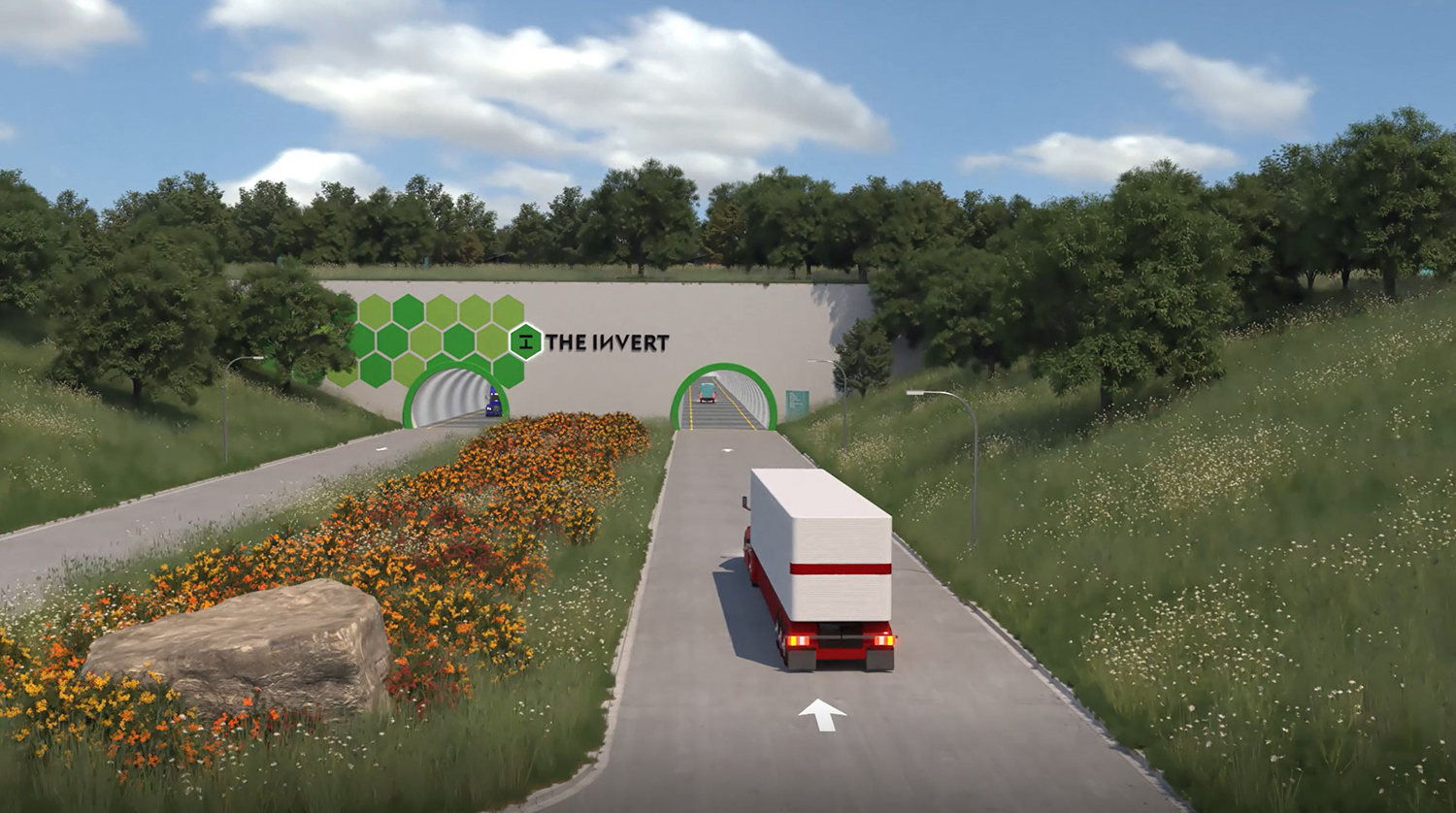
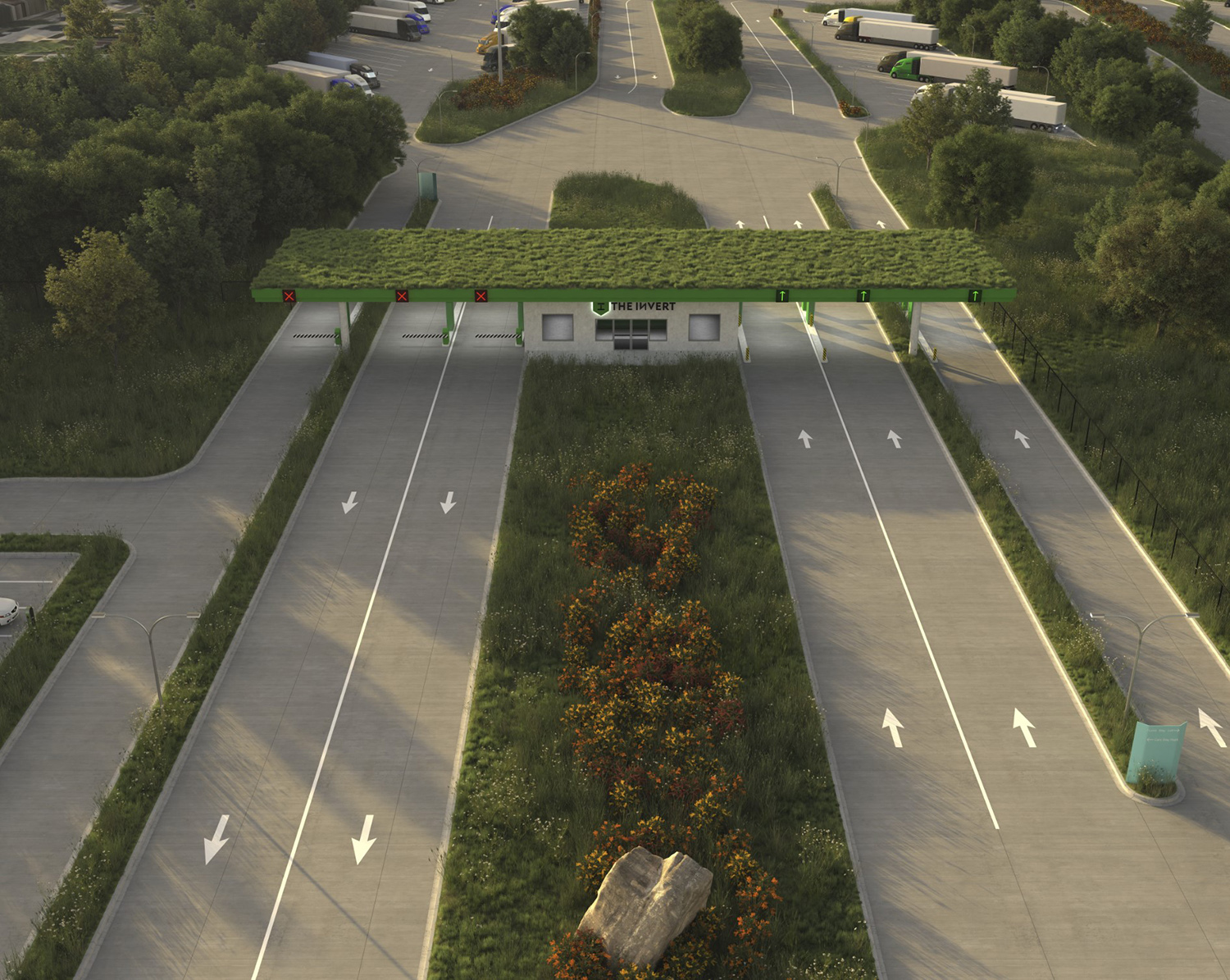
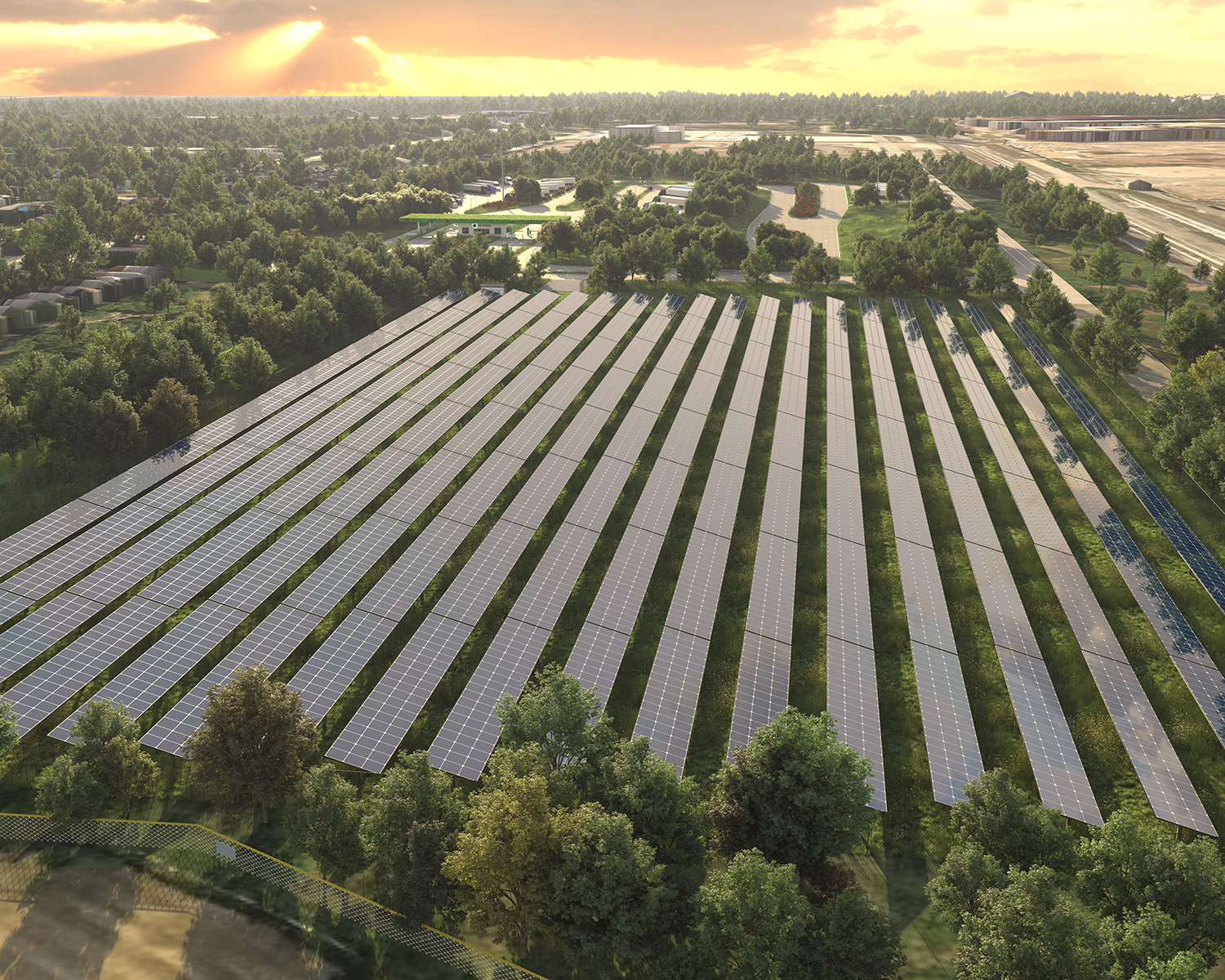
Due to year-round stable temperatures in the subsurface, energy use is expected to be reduced by approximately 75 percent compared to traditional surface facilities. By installing solar energy on the surface for facility lighting, ventilation, and other utilities, net zero energy use is expected to be achievable. The surface will be covered in vegetation because the majority of the project is underground.
The Invert’s ultimate use is to develop a unique subsurface industrial space. The construction techniques necessary to build The Invert are commonly used throughout Chicago on projects like The Pedway, below-ground CTA stations, Lower Wacker Drive, The Deep Tunnel, and the city’s freight tunnel system. Subsurface construction offers a variety of environmentally sustainable advantages. It uses far fewer construction materials such as roofing, windows, insulation, and steel than vertical buildings. Rather than construction materials being brought to the site by truck, a majority of the materials will be excavated and transported by barge, lake vessel, or rail.
The Invert Chicago has also flipped the city’s typical community engagement process by first meeting with neighbors before filing a formal application with City of Chicago officials. Developers have already begun discussions with hundreds of southeast side residents and numerous community groups at its community engagement center on S Ewing Avenue, a space designed for listening, answering questions, and gathering input.
The Invert Chicago is expected to make a formal filing with the City of Chicago later this summer. Initial subsurface space is estimated to be available by 2024.